

Smart Cities - Intelligent Parking Systems
Smart Cities: How New Parking Systems Can Inspire the Creation of Convenient Infrastructure
Modern cities face numerous challenges associated with rapid population growth and the increasing number of vehicles. One of the key aspects of urban life is the organization of parking, which directly affects the comfort and quality of life of residents. Intelligent parking systems are becoming an integral part of the concept of smart cities, offering innovative solutions to optimize space and improve urban infrastructure. In this article, we will explore how new parking systems can inspire the creation of convenient and smart infrastructure.
What Are Intelligent Parking Systems?
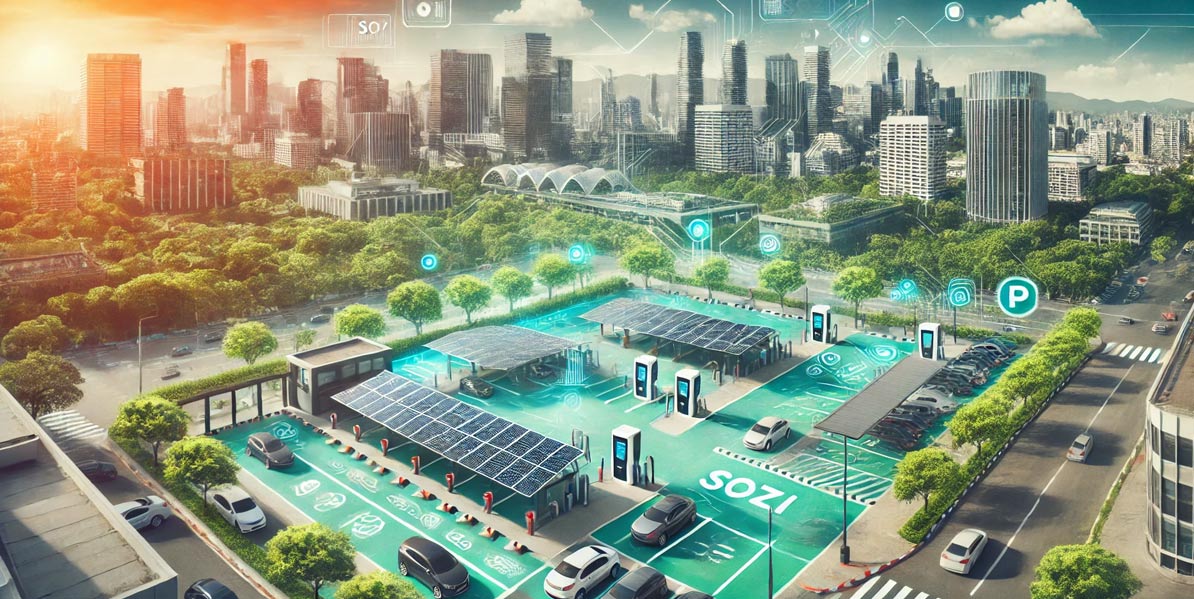
Intelligent Parking Systems (IPS) are a combination of technologies aimed at improving the management of parking spaces. They include the use of sensors, cameras, mobile applications, and cloud services to monitor and manage parking spaces in real-time. These systems help drivers quickly find available parking spots, reducing search time and easing congestion on city roads.
Impact of IPS on Urban Infrastructure
- Space Optimization
IPS allow for the most efficient use of available parking space. This is particularly important in densely populated areas with limited urban territory. Automated parking systems, for instance, can place cars on multi-level racks, significantly increasing parking capacity without the need for new parking lots.
- Reducing Road Congestion
One of the major problems in large cities is road congestion caused by drivers searching for parking. Studies show that up to 30% of urban traffic is due to drivers looking for parking. IPS help quickly find available spots, reducing the number of cars on the roads and decreasing air pollution levels.
- Time and Fuel Savings
Using intelligent parking systems allows drivers to save time and fuel, which positively impacts the city's ecology. Less time spent searching for parking means fewer carbon dioxide emissions and other harmful substances.
- Improving Convenience for Citizens
Mobile applications integrated with IPS offer drivers convenient services for booking parking spaces, paying for parking, and receiving notifications about available spots. This enhances the convenience and quality of life for residents, making the parking process simple and quick.
Examples of Successful IPS Implementation
- San Francisco, USA
San Francisco implemented the SFpark system, which uses sensors to monitor the availability of parking spaces in real-time. Drivers can use a mobile app to find free spots and pay for parking. This system has helped reduce traffic and improve parking space management.
- Barcelona, Spain
Barcelona installed sensors in parking areas that transmit data on the availability of free spaces in real-time. The information is accessible via mobile apps and street displays, helping drivers quickly find parking and reducing traffic jams.
Conclusion
Intelligent parking systems play a crucial role in the development of smart cities, offering innovative solutions to improve urban infrastructure. They help optimize space usage, reduce road congestion, save time and fuel, and enhance convenience for citizens. The implementation of such systems not only improves the quality of life in cities but also promotes sustainable development, inspiring the creation of more convenient and environmentally friendly infrastructure.