

Sozi Inspiration - How Modern Road Markings Inspire Improved Safety
How Modern Road Markings Inspire Improved Safety
Modern road markings play a crucial role in ensuring road safety by guiding drivers and pedestrians and helping to prevent accidents. With the advancement of technology, marking methods are becoming increasingly innovative, allowing for better traffic management and enhanced safety levels. In this article, we will explore how modern technologies and road marking methods impact traffic safety.
Impact of Modern Technologies on Road Markings
- Reflective Materials
The use of reflective materials in road markings significantly improves their visibility at night and in poor weather conditions. These materials reflect car headlights, making the markings clearly visible to drivers. This is especially important on rural and poorly lit roads where visibility can be limited.
- Thermoplastic and Cold Plastic
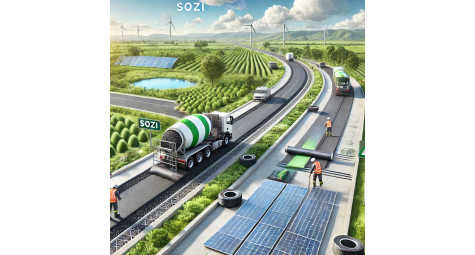
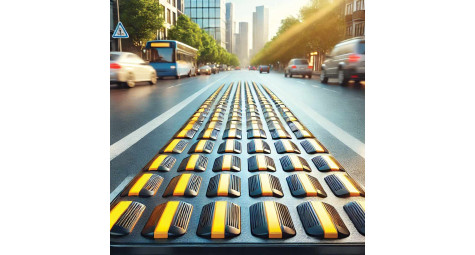
Modern marking methods include the use of thermoplastic and cold plastic, which are highly durable and wear-resistant. These materials not only last longer but also provide better tire grip on the road, helping to prevent skidding and improving vehicle control.
- Smart Markings and LED Indicators
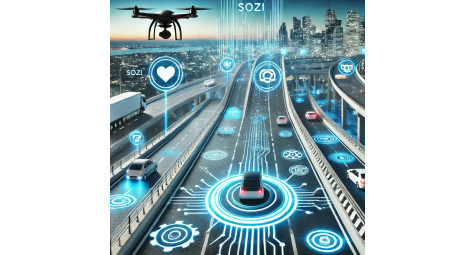
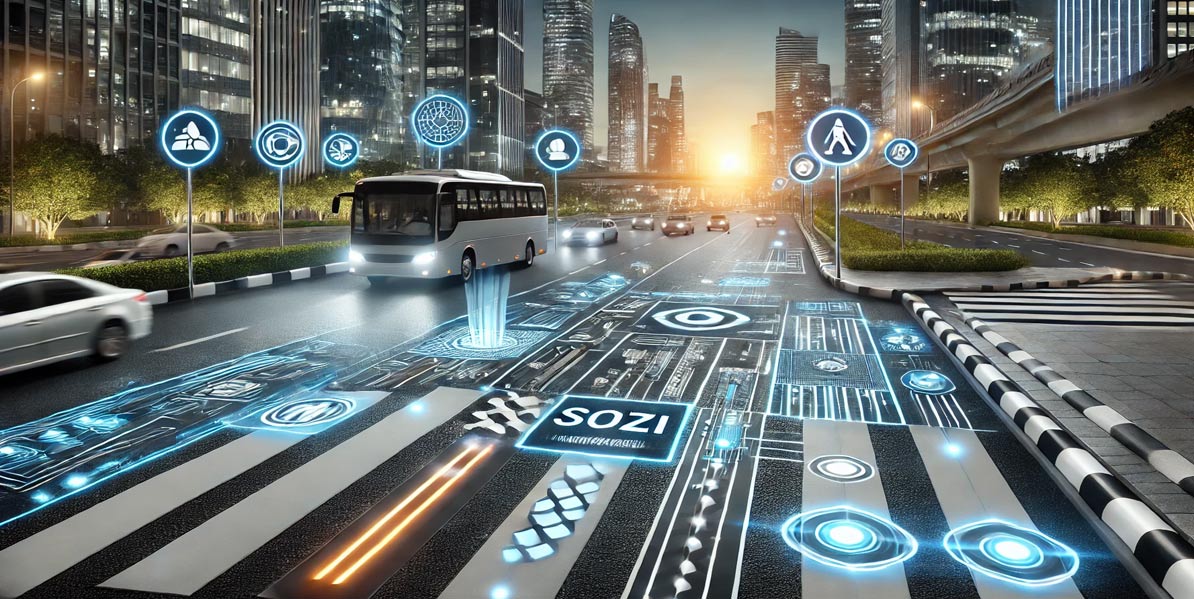
Smart markings, equipped with LED indicators, can dynamically change based on road conditions and traffic density. For example, these markings can show an additional lane during peak hours or warn of temporary speed limits. This helps improve traffic flow and reduce the likelihood of accidents.
Examples of Modern Markings Implementation
- Interactive Pedestrian Crossings
In some cities, interactive pedestrian crossings are being implemented, equipped with motion sensors and LED strips. When a pedestrian approaches the crossing, the LEDs start flashing, alerting drivers to the presence of a pedestrian. This significantly increases safety at crossings and reduces the risk of pedestrian accidents.
- Photoluminescent Markings
Photoluminescent markings, which absorb daylight and glow in the dark, are used on hazardous road sections and in tunnels. These markings help drivers navigate in low visibility conditions, which is especially important on sharp turns and sections with limited visibility.
Conclusion
Modern technologies and road marking methods significantly improve traffic safety. The use of reflective materials, thermoplastic, cold plastic, and smart markings makes roads safer and more convenient for all road users. Innovative solutions such as interactive pedestrian crossings and photoluminescent markings help prevent accidents and increase safety levels on roads. Implementing these technologies is an important step toward creating a safer and more efficient road infrastructure.
Sources:
Federal Highway Administration (FHWA)
European Commission - Mobility and Transport
Institute of Transportation Engineers (ITE)
National Highway Traffic Safety Administration (NHTSA)